


What Does It Mean to Become a Mason?
Many people ask the question what does it mean to become a Mason because Freemasonry is often surrounded by mystery, symbolism, and misinformation. Becoming a Mason is not about power, wealth, or secrecy; it is about committing oneself to a lifelong path of moral improvement, discipline, brotherhood, and service to humanity.
Freemasonry is one of the oldest fraternal organizations in the world. Its teachings are based on timeless moral principles conveyed through symbolism, philosophy, and personal reflection rather than religious doctrine or political ideology.
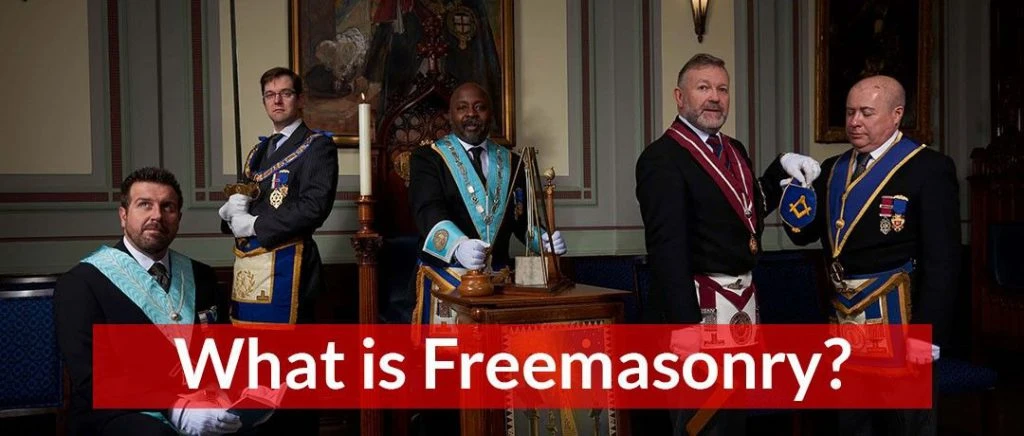
Meaning of Becoming a Mason
The meaning of becoming a Mason lies in personal transformation. A Mason commits himself to becoming a better man by practicing honesty, integrity, self-control, and respect for others.
Freemasonry teaches that true strength comes from character, not status. Becoming a Mason means choosing to live by ethical standards even when no one is watching.
Moral Responsibility in Freemasonry
Moral responsibility is central to what it means to become a Mason. A Mason is expected to take responsibility for his actions and strive to live uprightly in his family, work, and community.
Freemasonry encourages accountability, reflection, and continuous self-examination.
Brotherhood Among Freemasons
Becoming a Mason means joining a global brotherhood built on equality and mutual respect. Freemasons meet as equals regardless of wealth, profession, or background.
This brotherhood fosters unity, tolerance, and lifelong friendships based on shared values.
Symbolism and Teachings of Freemasonry
Freemasonry uses symbols, allegories, and rituals to teach moral lessons. These symbols are tools for reflection rather than secrets for power.
Understanding symbolism helps Masons apply ethical principles to real-life situations.
Personal Growth Through Freemasonry
Personal growth is a key aspect of becoming a Mason. Freemasonry encourages intellectual development, emotional discipline, and spiritual awareness.
Members are guided to improve themselves gradually through study, reflection, and fellowship.
Commitment to Integrity and Honesty
Integrity and honesty define a Mason’s character. Becoming a Mason involves making a personal commitment to truthfulness and ethical behavior.
These values guide decisions in both private and public life.
Freemasonry and Belief in a Supreme Being
Belief in a Supreme Being is fundamental to Freemasonry. This belief provides moral accountability and spiritual grounding.
Freemasonry respects all religions and does not interfere with personal faith.
Equality and Respect in the Masonic Lodge
Inside the Masonic lodge, all members are equal. Titles, wealth, and social rank are set aside.
This equality reinforces humility and mutual respect.
Discipline and Self-Control Freemasonry
Becoming a Mason requires discipline and self-control. Freemasonry teaches restraint, patience, and thoughtful action.
These qualities help members navigate life’s challenges responsibly.
Service to Humanity Freemasonry
Service to humanity is a defining aspect of becoming a Mason. Freemasons are encouraged to contribute positively to their communities through charity and service.
Helping others is viewed as a moral duty rather than a public display.
Lifelong Learning as a Mason
Freemasonry promotes lifelong learning. Becoming a Mason is not the end of learning but the beginning of a continuous journey.
Members are encouraged to seek knowledge, wisdom, and self-awareness.
Freemason Obligations Explained
Becoming a Mason involves accepting moral obligations related to loyalty, confidentiality, and ethical conduct.
These obligations are symbolic commitments to personal integrity and brotherhood.
Difference Between Joining and Becoming a Mason
Joining a lodge is a formal step, but becoming a Mason is a personal transformation. The title alone does not make a man a Mason.
True Masonry is reflected in daily behavior and character.
Common Misunderstandings About Becoming a Mason
Many misunderstandings exist, including beliefs about secret power or wealth. Becoming a Mason does not guarantee material success.
Freemasonry focuses on inner development rather than external rewards.
Readiness to Become a Mason
Readiness to become a Mason requires sincerity, humility, and a desire for self-improvement.
Men must reflect on their intentions before seeking membership.
Why Men Choose to Become Masons
Men choose to become Masons for guidance, brotherhood, moral structure, and personal growth.
Freemasonry offers a supportive environment for men seeking purpose and integrity.
The Journey Beyond Initiation
Becoming a Mason is a lifelong journey that continues beyond initiation. Growth occurs through continued learning, participation, and reflection.
Freemasonry encourages patience and consistency.
Conclusion
Understanding what it means to become a Mason helps separate truth from myth. Becoming a Mason is a personal commitment to ethical living, brotherhood, and service to humanity. For men who value integrity, discipline, and lifelong growth, Freemasonry offers a meaningful and purposeful path.
